


 English - EN
  繁體 - ZH-TW
  简体 - ZH-CN
  Español - ES
  日本語 - JA
  العربية - AR
  Русский - RU
  Français - FR

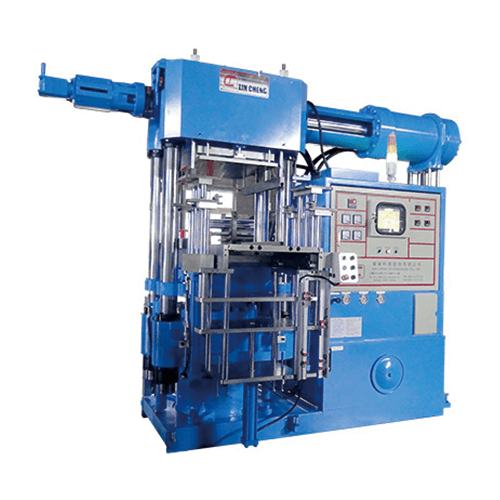
Máquina de moldeo por inyección de caucho moldeado abierto 3RT IRH-S3
CATEGORÍAS : Máquinas de moldeo por inyección de caucho
● Diseño de apertura del molde El 3RT supera el molde de apertura superior tradicional que se puede utilizar para los moldes triples o cuádruples con el diseño del molde de apertura y el empuje del molde en el medio. El molde de apertura puede ser ajustado por el software con una abertura separada, separando el molde por separado, la apertura continua y el empuje continuo del molde en el medio. ● Sistema de suministro de material Se adopta un diseño especial de suministro de material en dos etapas. Expulsa las burbujas de la materia prima de la manera más efectiva y no hay material muerto. ● Control de volumen de inyección Se adopta un diseño que incorpora una regla óptica de alta precisión, fabricada en Alemania. El volumen de inyección se puede calcular y controlar con precisión.
SINGLE INJECTION MOLD
CATEGORÍAS : Moldes de Inyección
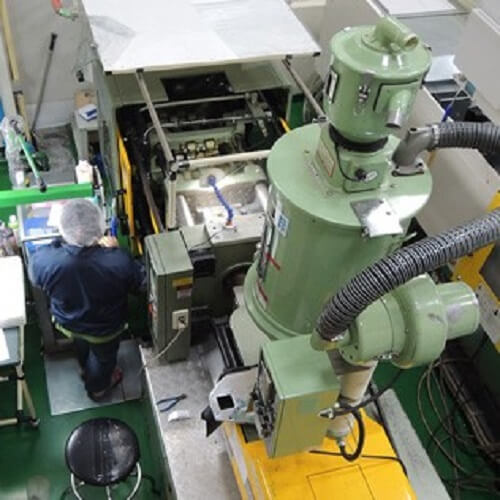
Single Injection Molding is a standard process that YOMURA TECHNOLOGIES excels at. Our YangMei plant is equipped with a resin feeder system to increase yield rates for mass volume production. Material: TPR , PC, PC/ABS, ABS ADVANTAGES: Works with Complex Designs Has the Advantages of Both Plastic & Rubber Flexible & Soft Touch
INSERT INJECTION MOLD
CATEGORÍAS : Moldes de Inyección
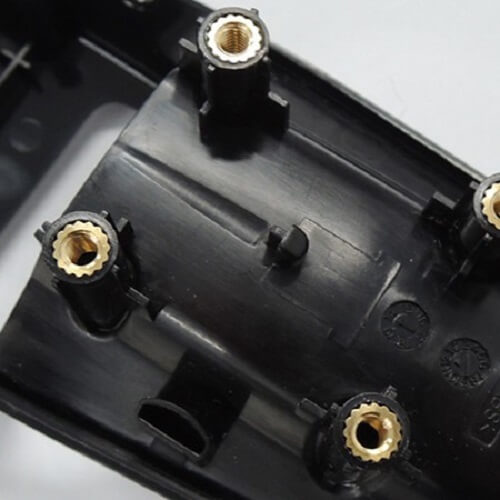
INSERT MOLDING TECHNOLOGY: When a metal, plastic or ceramic part needs to be embedded in plastic to improve product structure it is called Insert Molding. It is a widely used process and one that YOMURA TECHNOLOGIES specializes in. With Insert Molding, a part is placed in a mold cavity then a selected plastic material is injected directly over it resulting is a single part with the insert(s) encapsulated by the material. This process normally uses engineering plastics for improved wear resistance, tensile strength and weight reduction. Insert Molding can be a highly efficient alternative to the assembly of discrete parts using soldering, connectors, fasteners, or adhesives. It also expands plastic capabilities and can reduce final product cost by limiting the amount of costly metal needed to create a part. And importantly, because we can use conventional single shot injection machines for Insert Molding, tooling costs are lower than with a multi-shot processing. Benefits: Reduced assembly and labor costs Because insert molding joins numerous components with thermoplastic, assembly and labor costs are greatly minimized. For example, a single stamping can be overmolded, then perforated to create multiple circuit paths. Reduced size and weight By eliminating fasteners and connectors, and by combining the physical strength of resin and metal inserts, insert molding yields smaller and lighter components. Increased reliability With every part tightly secured in thermoplastic, an insert molded component prevents part loosening, misalignment, improper terminations, and other problems. The thermoplastic resin also provides improved resistance to shock and vibration. Increased design flexibility Designers appreciate the virtually unlimited configurations that insert molding allows. For example, in creating a 3D circuit board, overmolding permits circuitry to move freely through the part, from inside to outside, up walls, down in holes-and the plastic ties it all together. Materials: Engineering plastic or Thermo Plastic Rubber (TPR) inserted with metal frame die casting, plated copper pin, sockets, wire frames, etc. Applications: TPR + Metal Frame(3C Mechanical Parts) ABS + Al. Die Cast (Sports/ Medical) Eng. Plastic + Patting Pin/Eng. Plastic + Wireframe (Connector) Eng. Plastic + Copper Pin/Contact (Precision Electronic Component)
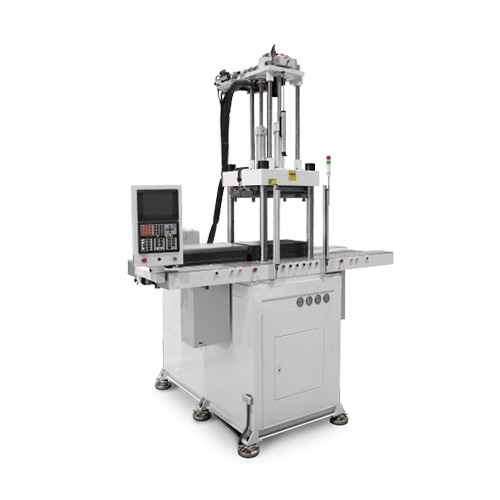
Máquina de moldeo por inyección a baja presión de doble inyección
CATEGORÍAS : Máquinas de moldeo por inyección de silicona
Nuestra nueva generación de máquinas de moldeo de baja presión de mesa tipo C permitirá a nuestros clientes doblar la capacidad de producción, especialmente las industrias relacionadas con la electrónica automotriz están en auge.
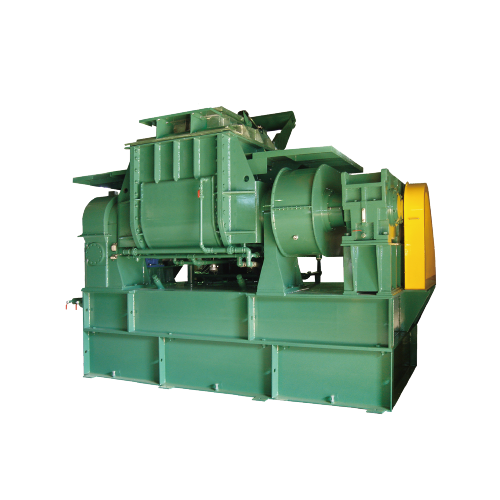
Open Kneader (DAK-Series)
CATEGORÍAS : Amasadoras de dispersión
The Open Kneader With Ruder Is Available With a「Variety Of Blades In Different Shape Design As Well As With Number Of Discharge Methods And Mixing Conditions」, Has Already Achieved Applications Considerable Various Of Industries That Deal With Such High And Medium-Viscosity Materials As Adhesives, Hot-Melt Material、Silicon Rubber、BMC、Ceramics、Fiberglass、Magnetic Compounds、Printing Inks、Tapes、Thermosetting Resins、Food、Cosmetics、Pharmacy Etc.
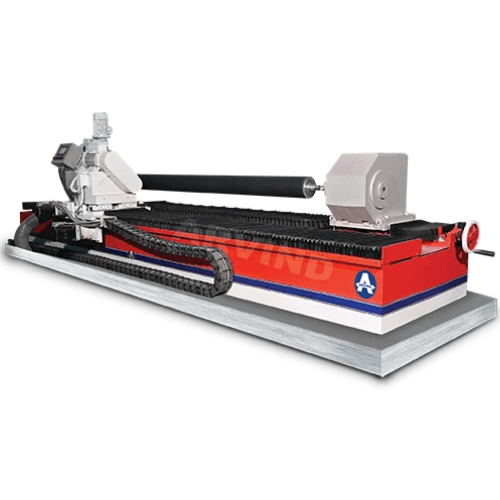
Rubber Roller Grinding Machine - SPECIAL PURPOSE MACHINE FOR RUBBER ROLLER GRINDING
CATEGORÍAS : Rubber Secondary Processing Machines
Combining the legacy of four decades with innovative design and unmatched expertise of an astonishing team onboard, Arvind Rub-Web Controls Ltd. has developed a special-purpose Grinding Machine. Developed using standard raw material, the industry-specific grinding machine fully conforms to the industry parameters and specifications.
RAPID PROTOTYPING
CATEGORÍAS : Servicios de diseño y mecanizado de moldes
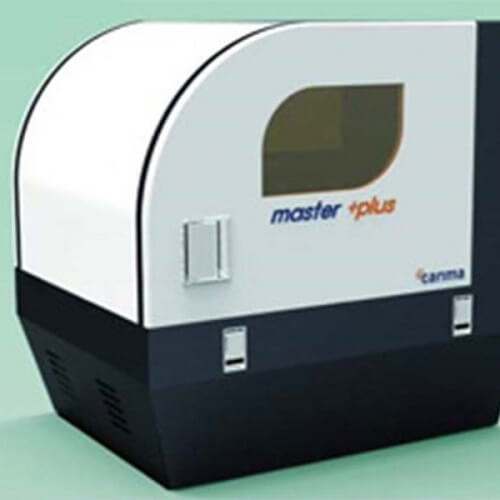
With the advent of 3D printing, rapid prototyping can now be done quickly and affordably. YOMURA TECHNOLOGIES is equipped with a high end, Digital Light Processor 3D printer built by Carima, a South Korean company with over 30 years of optical manufacturing experience. Unlike Fused Deposition Modeling (FDM) 3D printing which heats a plastic filament then squeezes it through a nozzle to print one layer at a time, DLP uses a special light wave to activate a chemical reaction in a photopolymer resin which then cures into solid 3D object. DLP objects are smoother, more detailed and almost seamless, ideal for professional quality prototypes. 3D PRINTER SPECS Max Build speed: 30mm/hr Resolution: 1920 x 1080 Size: 200 x 112 x 200mm 245 DPI High-end DLP (Digital Light Processing) 12 micron engine enables a very fine prototype Very minimal material waste MATERIALS Acryl: Easy post processing and coloring ABS-like: Semi ABS durability Epoxy: Great durability Rubber-like: Elastic material Lost-Wax: Metal Casting