

 English - EN
  繁體 - ZH-TW
  简体 - ZH-CN
  Español - ES
  日本語 - JA
  العربية - AR
  Русский - RU
  Français - FR

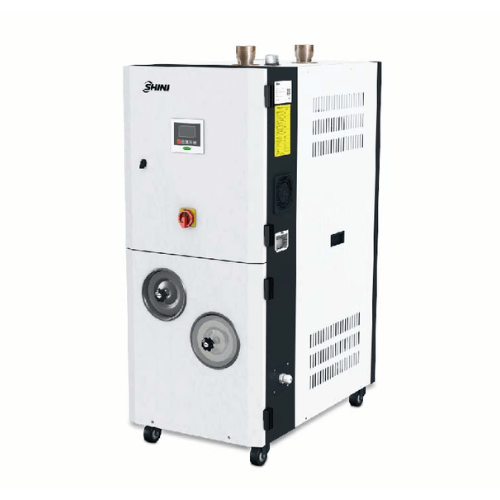
Los Deshumidificadores - SD-H
CATEGORÍAS : Secadores y deshumidificadores para materiales plásticos
SD-H series honeycomb dehumidifiers are mainly used to dry hygroscopic engineering plastics. A honeycomb-rotor is used to offer effective drying, which under ideal conditions, can supply dehumidified dry air with a dew-point lower than -40℃.This series comprises 15 models of honeycomb dehumidifiers, the largest of which can provide dry air up to a quantity of 4,000 m3/hr.
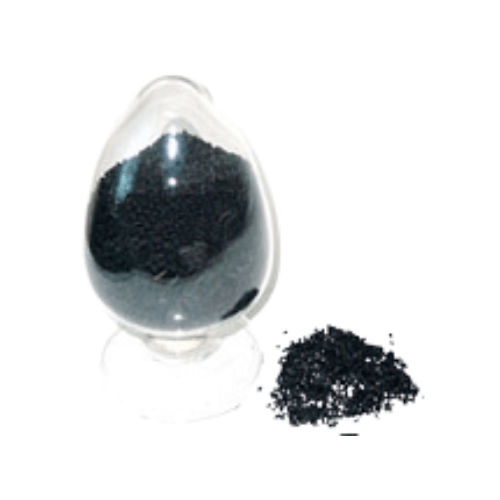
Transparent & Structural Plastic Compounds
CATEGORÍAS : PS Resina
This category includes high-impact transparent PS and other specialty engineering plastics, ideal for applications such as crystal-clear cups, protective covers, displays, and structural parts. These materials offer excellent optical clarity, processability, and impact resistance, supporting both injection and extrusion processes.
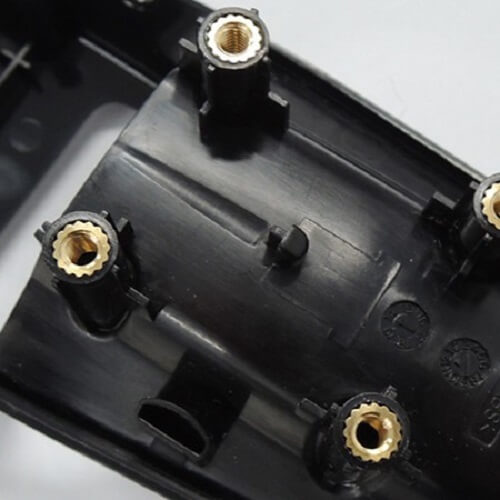
INSERT INJECTION MOLD
CATEGORÍAS : Moldes de Inyección
INSERT MOLDING TECHNOLOGY: When a metal, plastic or ceramic part needs to be embedded in plastic to improve product structure it is called Insert Molding. It is a widely used process and one that YOMURA TECHNOLOGIES specializes in. With Insert Molding, a part is placed in a mold cavity then a selected plastic material is injected directly over it resulting is a single part with the insert(s) encapsulated by the material. This process normally uses engineering plastics for improved wear resistance, tensile strength and weight reduction. Insert Molding can be a highly efficient alternative to the assembly of discrete parts using soldering, connectors, fasteners, or adhesives. It also expands plastic capabilities and can reduce final product cost by limiting the amount of costly metal needed to create a part. And importantly, because we can use conventional single shot injection machines for Insert Molding, tooling costs are lower than with a multi-shot processing. Benefits: Reduced assembly and labor costs Because insert molding joins numerous components with thermoplastic, assembly and labor costs are greatly minimized. For example, a single stamping can be overmolded, then perforated to create multiple circuit paths. Reduced size and weight By eliminating fasteners and connectors, and by combining the physical strength of resin and metal inserts, insert molding yields smaller and lighter components. Increased reliability With every part tightly secured in thermoplastic, an insert molded component prevents part loosening, misalignment, improper terminations, and other problems. The thermoplastic resin also provides improved resistance to shock and vibration. Increased design flexibility Designers appreciate the virtually unlimited configurations that insert molding allows. For example, in creating a 3D circuit board, overmolding permits circuitry to move freely through the part, from inside to outside, up walls, down in holes-and the plastic ties it all together. Materials: Engineering plastic or Thermo Plastic Rubber (TPR) inserted with metal frame die casting, plated copper pin, sockets, wire frames, etc. Applications: TPR + Metal Frame(3C Mechanical Parts) ABS + Al. Die Cast (Sports/ Medical) Eng. Plastic + Patting Pin/Eng. Plastic + Wireframe (Connector) Eng. Plastic + Copper Pin/Contact (Precision Electronic Component)
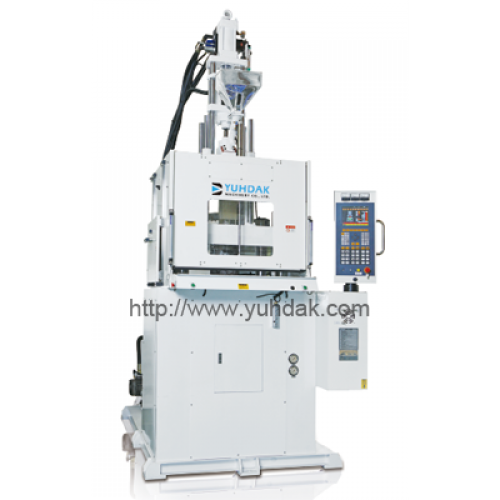
Máquina de moldeo por inyección vertical de precisión de alta velocidad serie YQ
CATEGORÍAS : Máquinas de Inyección Vertical
• Vertical amarre vertical de cuatro pilares, con inyección vertical. • El diseño de pilar cuadrado viene con un tamaño de molde grande. El espacio dentro de la columna permite a los clientes instalar dispositivos de empotrar y retirar productos automáticamente. Esto permite la automatización de toda la maquinaria. • Gran relación L/D del tornillo, plastificando uniformemente, adecuado para el moldeo por inyección de plásticos de ingeniería. • Sistema de control computarizado de alto estándar con presión de inyección de alta precisión y velocidad de inyección de alta respuesta. La calidad es más estable para productos de moldeo por inyección integrados de alta precisión. • Deslizamiento simple 1S: después de la apertura del molde, el molde inferior se deslizará automáticamente frente al operador para facilitar la operación de moldeo integrado. • Doble deslizamiento 2S (Doble deslizamiento alterno): Un molde para moldeo por inyección, otro molde para operación de sacar y poner piezas embebidas. • Doble deslizamiento 2SL (doble deslizamiento alterno de 90°): un operador puede operar de forma independiente. Un molde para moldeo por inyección, otro molde para toma de material y colocación de piezas embebidas. Los dos deslizamientos se cruzan a 90 grados, lo que puede reducir el costo de producción y mejorar el rendimiento. • Capaz de combinar la automatización y la inyección de alta velocidad puede mejorar efectivamente la capacidad de producción. • Una variedad de diseño de circuito (inyección de alta velocidad o servohidráulica semicerrada) para cumplir con los requisitos del cliente.

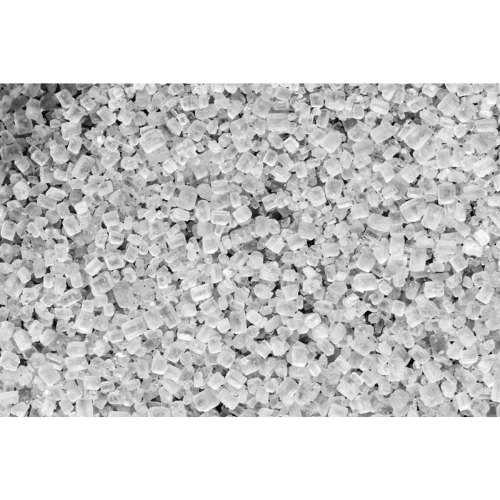
PC
Polycarbonate (PC) is a chemically representative engineering material with good impact resistance, heat resistance, dimensional stability, electrical properties, and flame retardancy. Furthermore, it maintains a good balance among these properties, making it widely applicable. In particular, its unique transparency among general-purpose engineering plastics has led to increased demand in the optical and electronic fields.