

 English - EN
  繁體 - ZH-TW
  简体 - ZH-CN
  Español - ES
  日本語 - JA
  العربية - AR
  Русский - RU
  Français - FR

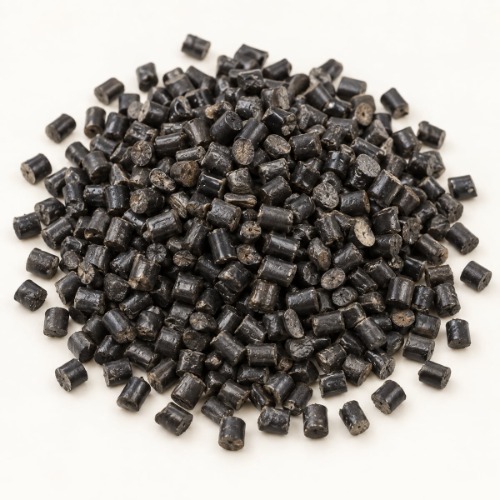
PP BK Pellets
CATEGORÍAS : Gránulos de plástico reciclado
Black PP pellets, Taiwan origin. Send your requirement for a quotation.

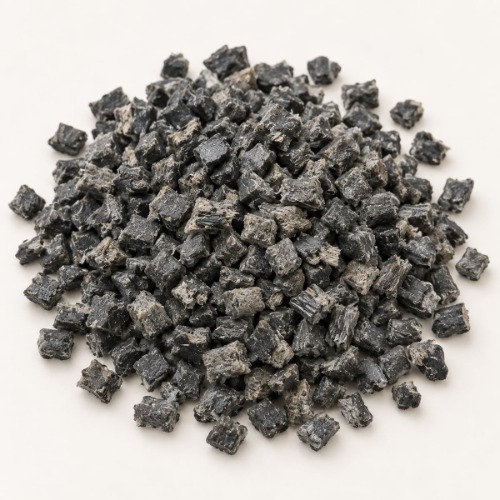
PP 40% GF
CATEGORÍAS : Material compuesto
40% glass-fibre reinforced PP pellets, sourced from South Korea.
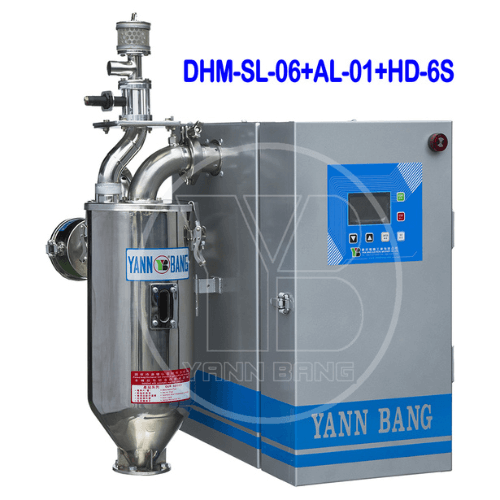
Micro deshumidificador secador (DHM-SL)
CATEGORÍAS : Secadores y deshumidificadores para materiales plásticos
El último secador de microdeshumidificación utiliza aire comprimido para secar la resina plástica. El volumen de aire generado por el compresor de aire es adecuado para la producción de piezas pequeñas, como piezas electrónicas. El grado perfecto de sequedad junto con una cantidad moderada de aire de secado, la eficiencia de producción aumentó considerablemente. El compresor de aire procesa el aire a través de filtración de agua, y el aire se comprimirá entre una presión de 5 ~ 7 kg / cm². El aire comprimido pasará a través del tamiz molecular y suministrará al aire seco con un punto de rocío de hasta -40 ~ -50 ℃. Durante el proceso de moldeo, demostrará completamente las propiedades plásticas perfectas. De acuerdo con los diferentes tipos de plástico, el tiempo de secado requerido también es ligeramente diferente, de 2 a 6 horas. El diseño multifunción puede secar, deshumidificar y transportar resinas automáticamente. En comparación con el secador deshumidificador normal, puede ahorrar espacio y conectarse directamente a la entrada de la máquina de moldeo. Puede transportar directamente las resinas de secado a la producción para evitar el resurgimiento y garantizar la producción completa. 1. Visualice la detección del punto de rocío 2. Detección de presión de aire insuficiente 3. Sistema de transporte de presión positiva incorporado 4. Preventor de sobrecalentamiento 5. Temporizador semanal 6. Instale el filtro de alta densidad 7. Con las características de la Industria 4.0, Ethernet y RS485 se pueden utilizar para conectar con otras marcas. 8. El controlador y el cuerpo principal se pueden separar o combinar para facilitar la disposición del espacio.
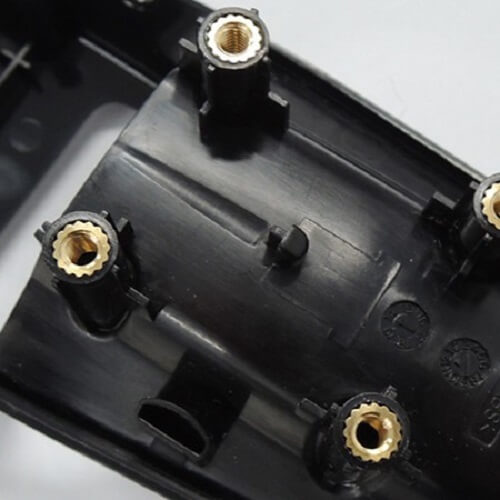
INSERT INJECTION MOLD
CATEGORÍAS : Moldes de Inyección
INSERT MOLDING TECHNOLOGY: When a metal, plastic or ceramic part needs to be embedded in plastic to improve product structure it is called Insert Molding. It is a widely used process and one that YOMURA TECHNOLOGIES specializes in. With Insert Molding, a part is placed in a mold cavity then a selected plastic material is injected directly over it resulting is a single part with the insert(s) encapsulated by the material. This process normally uses engineering plastics for improved wear resistance, tensile strength and weight reduction. Insert Molding can be a highly efficient alternative to the assembly of discrete parts using soldering, connectors, fasteners, or adhesives. It also expands plastic capabilities and can reduce final product cost by limiting the amount of costly metal needed to create a part. And importantly, because we can use conventional single shot injection machines for Insert Molding, tooling costs are lower than with a multi-shot processing. Benefits: Reduced assembly and labor costs Because insert molding joins numerous components with thermoplastic, assembly and labor costs are greatly minimized. For example, a single stamping can be overmolded, then perforated to create multiple circuit paths. Reduced size and weight By eliminating fasteners and connectors, and by combining the physical strength of resin and metal inserts, insert molding yields smaller and lighter components. Increased reliability With every part tightly secured in thermoplastic, an insert molded component prevents part loosening, misalignment, improper terminations, and other problems. The thermoplastic resin also provides improved resistance to shock and vibration. Increased design flexibility Designers appreciate the virtually unlimited configurations that insert molding allows. For example, in creating a 3D circuit board, overmolding permits circuitry to move freely through the part, from inside to outside, up walls, down in holes-and the plastic ties it all together. Materials: Engineering plastic or Thermo Plastic Rubber (TPR) inserted with metal frame die casting, plated copper pin, sockets, wire frames, etc. Applications: TPR + Metal Frame(3C Mechanical Parts) ABS + Al. Die Cast (Sports/ Medical) Eng. Plastic + Patting Pin/Eng. Plastic + Wireframe (Connector) Eng. Plastic + Copper Pin/Contact (Precision Electronic Component)


Silicone Masterbatch
CATEGORÍAS : Aditivos
An additive for PE, PP, EVA, or other compatible thermoplastic resin systems, used to improve resin processability and flowability, as well as the surface lubricity and mold release properties of finished products.

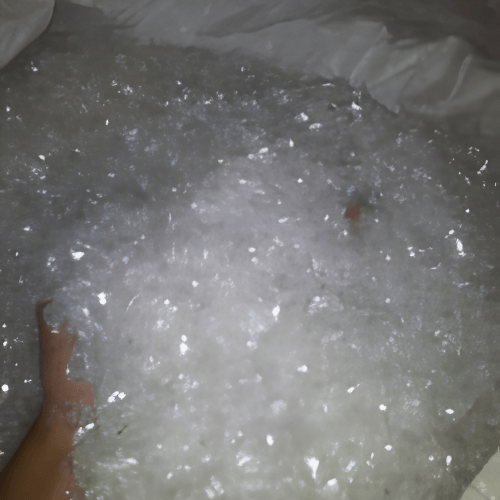
PCR PET
CATEGORÍAS : Gránulos de plástico reciclado
Our modern society calls for several different sorts of synthetics for different fields of application. One of the most fascinating plastics is PET. PET (Polyethylene Terephthalate better written as Poly Ethylene Terephthalate, as it doesn't contain any Polyethylene) is a polyester which consists exclusively of carbon, hydrogen and oxygen. To produce one kilo of PET you need 1,9 KG of crude oil and 23Kwh. With recycling in modern facilities, you will economize about 50% of the energy towards a new production or more than 1 litre of crude oil and additionally, you will save more than 3 kilos of greenhouse gas as for example Co2 including methane, laughing gas and other relevant greenhouse gases. PET is technically speaking a linear thermoplastic resin which is created by condensation of ethylene glycol and terephthalic acid and can be melted at temperatures of > 250°C for the amorphous form to any form people wish. The success story of PET began with its use in the textile industry for polyester fibre, in the automobile industry for PET components, not to forget the pharmacy and condensation of ethylene glycol anu terepritrant aciu anu can be mereu al temperatures of 250 C for the antionprous tom to any rom success story of PET began with its use in the textile industry for polyester fibre, in the automobile industry for PET components, not to forget the pharmacy and medicine role due to its shelter against germs and of courses within the packaging industry like food packaging, straps and bottles. In certain countries, bottles out of PET have overtaken the role of the old classic glass bottle - one of the reasons besides many others is that PET is a strong resin whereby its weight is only 10% of the weight of an identical glass container and has a crystal clear transparency.