


 English - EN
  繁體 - ZH-TW
  简体 - ZH-CN
  Español - ES
  日本語 - JA
  العربية - AR
  Русский - RU
  Français - FR
LATEST UPDATE Suscríbete
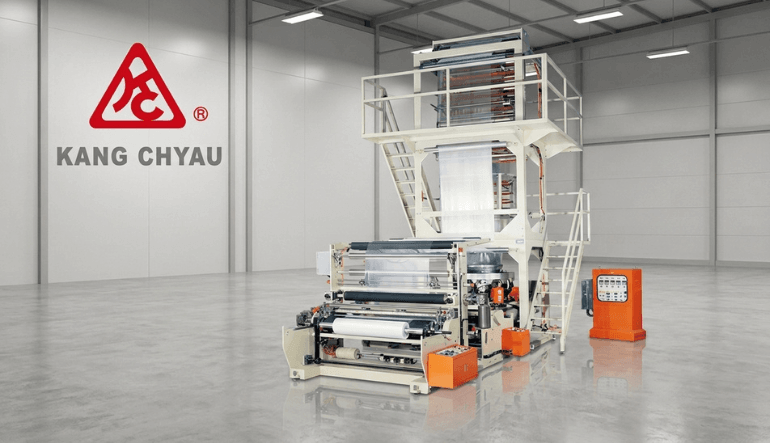
From Machine Control to Production Intelligence: Kang Chyau Brings AI into Blown Film Manufacturing
As blown film production moves toward smarter and more connected manufacturing, Taiwan-based Kang Chyau Industry is upgrading its KMT-65 HDPE/LDPE/LLDPE Plastic Inflation Machine with a stronger focus on automation, AI-assisted control and production data integration.
Your Formula Is the Only Cost Lever You Still Control: Turning Volatility Into Flexibility
Resin prices over recent years have been a rollercoaster and August 2026 is proving no exception. With recent geopolitical tensions in the Middle East triggering fresh upswings in global polymer pricing, quotes valid today may expire tomorrow. A formulation that maintained healthy margins in Q1 can erode profitability by Q3. A production line reliant heavily on virgin resin ties its financial stability directly to crude oil shocks, shipping volatility, and vendor quotas, factors entirely outside a film manufacturer's control.
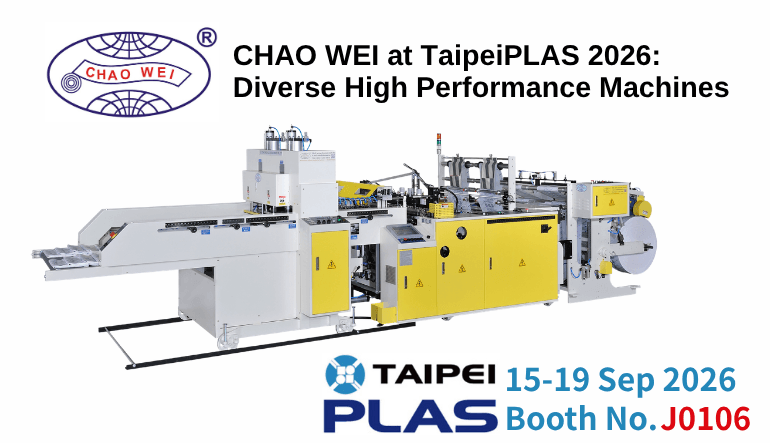
CHAO WEI & 3 machines at TaipeiPLAS 2026
TaipeiPLAS 2026 is around the corner, are you excited about the upcoming exhibition? We are! Chao Wei team is thrilled to meet old friends and new customers at Taipei, Taiwan. Join us at our booth, J0106, to see live demonstration of our machine. While seeing live machine demonstration, enjoy a refreshing cup of exquisite Taiwanese high mountain green tea with us!

Breathable, Yet a Liquid Barrier: What to Know Before Evaluating a PE Breathable Film Line
PE breathable film is a polyethylene film with micron-scale pores throughout: water vapor passes through, while liquid water is held back under the designed pressure conditions. In baby diapers and sanitary napkins, a liquid-barrier outer layer that can still release moisture vapor, thanks to its microporous structure. Chi Chang’s listed applications also include masks and surgical gowns; actual use depends on the product’s construction and regulatory requirements.

PLASTAR Automatic Air Ring Helps Control Film Thickness Before It Becomes Waste
In blown film production, thickness variation is often where hidden cost begins. It is not only a number on a quality report. It affects resin consumption, winding quality, printing registration, lamination stability and the customer's confidence in every roll delivered. For producers of food packaging, composite film, printing film and shrink film, unstable cross-direction thickness can quickly turn into wasted material, longer adjustment time and avoidable production cost.

US Tariff Uncertainty Sparks "Wait-and-See" Approach in Plastics CapEx: A Turning Point for Sourcing?
The North American plastics processing industry is facing a turbulent third quarter. Following the Supreme Court's February 2026 ruling against IEEPA-based tariffs, the activation of Section 338 tariff authority against Canada, and an unresolved USMCA review, a thick fog of uncertainty has settled over the manufacturing sector.

PLASTAR Launches Advanced Five-Layer Co-Extrusion Blown Film Production Line
The intelligent automatic air ring achieves ±3‰ thickness accuracy, reduces the scrap rate by more than 3%, and increases production capacity by 10%–15%. Soaring energy costs and strict recycling requirements under the EU PPWR framework are reshaping the European packaging industry, driving global demand for more energy-efficient and material-saving blown film production systems. Converters are increasingly turning to recyclable, downsized, multi-layer structures to lower their carbon footprint and stabilize operating costs.
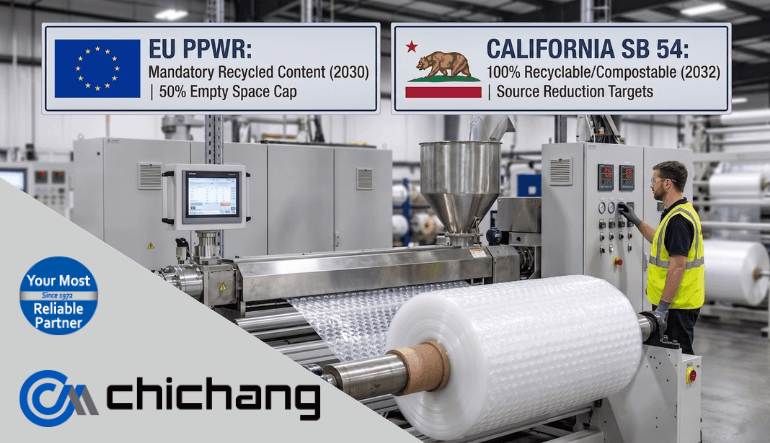
The Regulations Never Name Bubble Film. Your Customers Will.
Search the two most-discussed packaging regulations of the past two years — the EU's PPWR and California's SB 54 — and you will not find the words "bubble film." The named items are tea bags, fresh-produce labels, very lightweight carrier bags; the headlines belong to compostable materials and recycling-rate targets. A protective-packaging manufacturer might reasonably exhale.
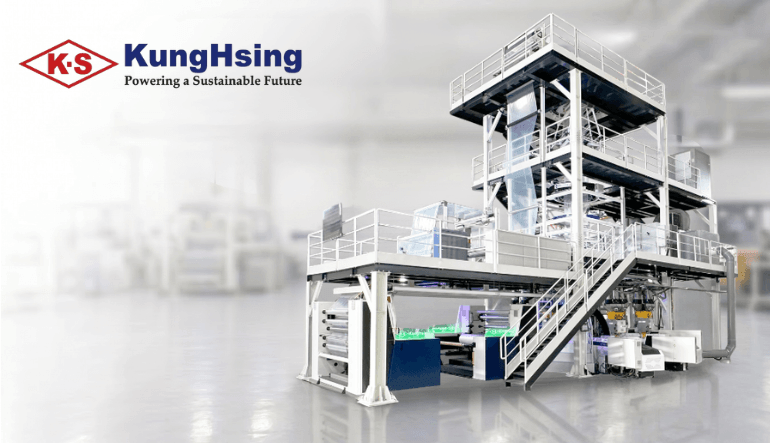
The Rise of Mono-Material Packaging: Why All-PE Solutions Matter for the Future of Flexible Packaging
The global packaging industry is undergoing a significant transformation. Driven by evolving regulations such as the European Union's Packaging and Packaging Waste Regulation (PPWR), as well as aggressive sustainability commitments from leading global consumer brands, packaging design is shifting from a performance-first approach toward a recyclability-first strategy.
Beyond ESG Compliance: The Economic Fallout of California's SB 54 and Geopolitical Tensions Are Transforming the Packaging Supply Chain
What began as a regulatory trend has rapidly escalated into a high-stakes operational crisis for the global packaging industry. Catalyzed by Europe’s Packaging and Packaging Waste Regulation (PPWR), governments are moving past policy formation and entering strict enforcement phases to internalize the environmental externalities of plastic waste. This regulatory squeeze is compounding with intense geopolitical volatility, turning Post-Consumer Recycled (PCR) plastics from a peripheral corporate social responsibility (CSR) milestone into a critical economic hedge and strategic raw material.
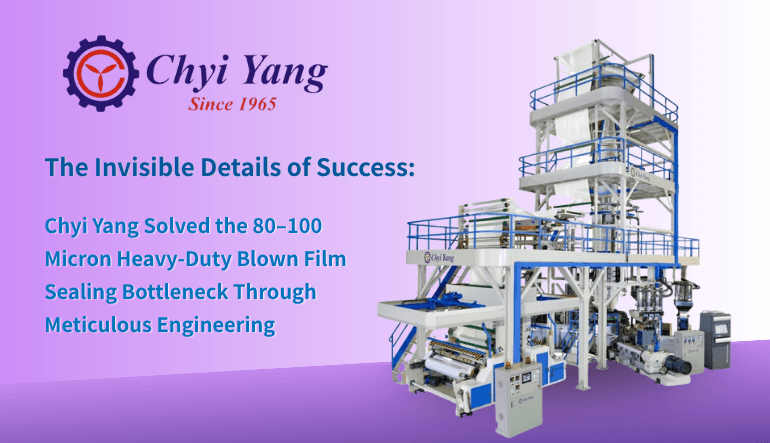
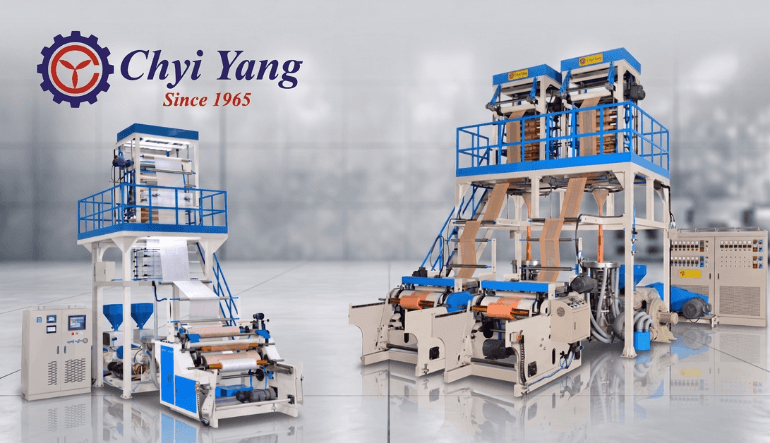
The Invisible Details of Success: How Chyi Yang Industrial Solved the 80–100 Micron Heavy-Duty Blown Film Sealing Bottleneck Through Meticulous Engineering
In my twenty years covering the global plastics and rubber machinery industry, I have heard countless manufacturers boast about their blazing extrusion speeds or staggering output figures. The true trial of any machine begins the moment it hits the factory floor and the power switch is flipped.

The 2030 PPWR Countdown: How PLASTAR Beats the "Sustainability Output Tax"
The last 18 months changed how European converters spec a new line. PPWR begins applying on Aug 12, 2026. Minimum recycled-content thresholds tighten toward 2030. EN 13432 sets the compostable bar. PCR pressure builds across every packaging category — contact-sensitive applications included.