

 English - EN
  繁體 - ZH-TW
  简体 - ZH-CN
  Español - ES
  日本語 - JA
  العربية - AR
  Русский - RU
  Français - FR
Plastimagen
HOT NEWS
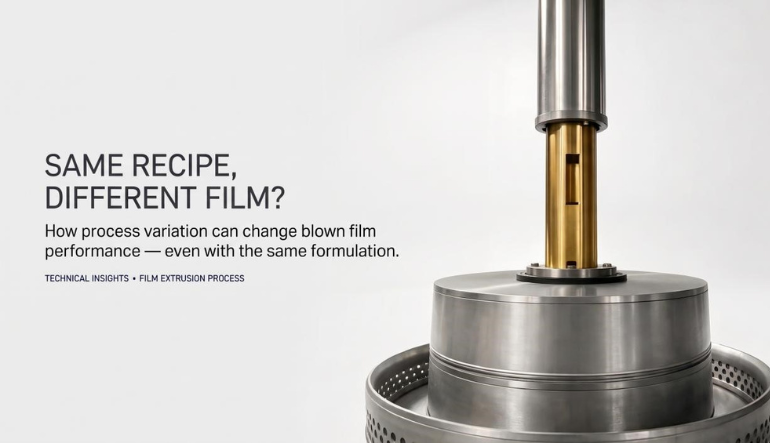
Same Recipe, Different Film: Here's Why
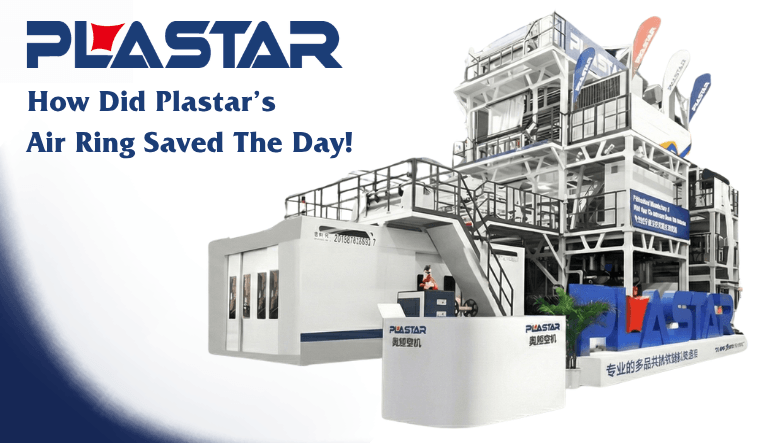
Last week, a customer ran two rolls of film on the same line. One roll came out perfectly fine — the other was full of gels and fish eyes. They spent three days troubleshooting. Our engineer went in, took apart the cooling air ring, and found it — one-third of the air outlets were blocked. Cleaned the air ring, restarted the line, and everything went back to normal. Same recipe. Completely different film. Why?
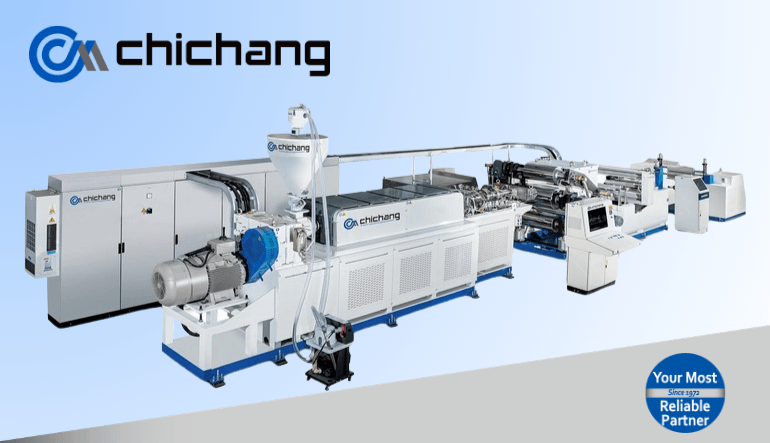
PP Sheet Extrusion Line: Where to Look When Tray Forming Goes Wrong
A roll of sheet comes off your PP sheet extrusion line. Thickness checked, surface checked, everything looks fine. The real test happens at your customer's plant, when that sheet is heated, formed, and trimmed into food trays. If one corner comes out too thin, if this batch looks hazier than the last, or if the web keeps drifting to one side, the sheet is one of the first things that gets checked.
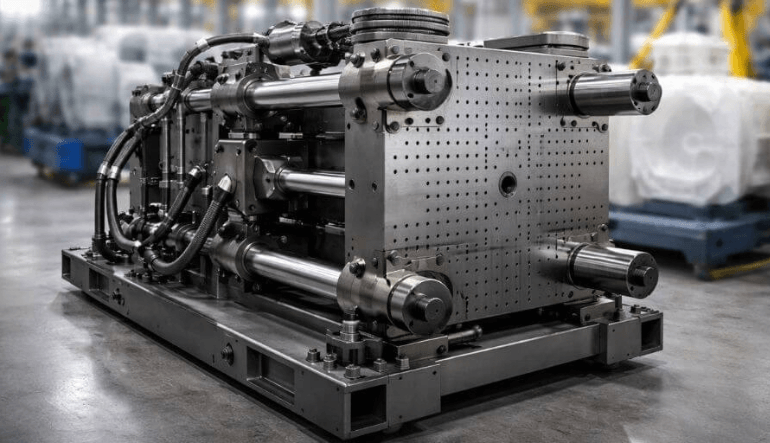
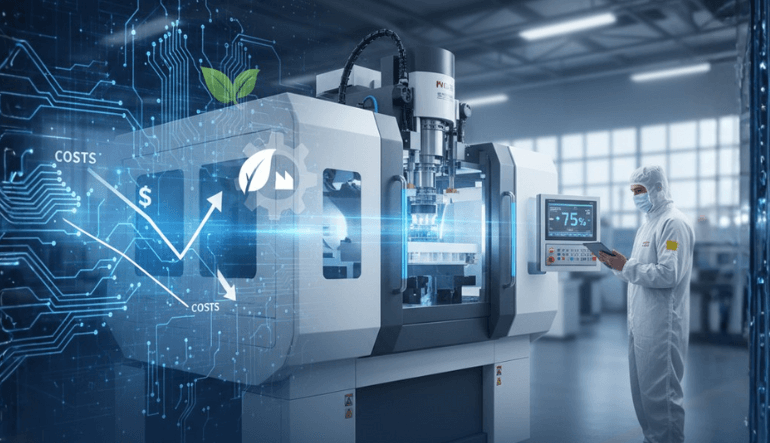
Gear Up for Plastimagen 2026: Profitability is measured from the moment the mold is closed.
In a manufacturing machine, the clamping system not only provides strength: it determines rigidity, parallelism, and process stability. Understanding its architecture allows for predicting accuracy, mechanical wear, and maintenance costs throughout the production cycle.
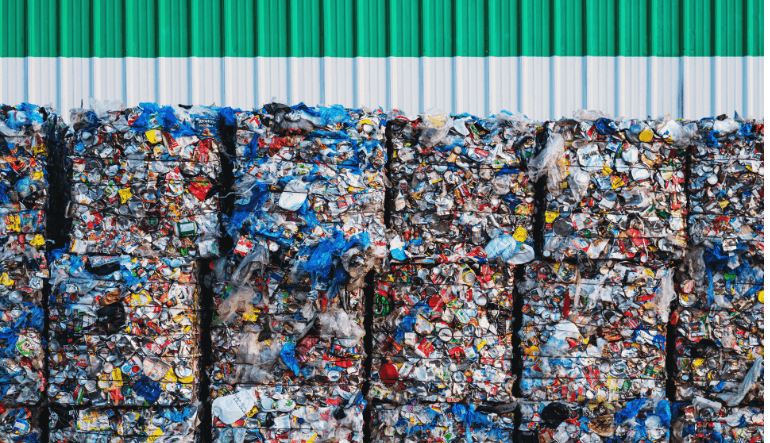
Global Green Law Gridlock: Navigating US EPR Legal Battles and the EU's Impending Plastic Export Ban
Two regulatory fights are changing where the world's plastic waste ends up. In the US, Oregon's packaging EPR law is headed to an appeals court. In the EU, a ban on plastic waste exports to non-OECD countries takes effect on November 21, 2026, less than 50 days from now.

Need a Machine Maker? Just Ask PRM
PRM-Taiwan has an AI assistant built into the site. Describe what you're sourcing in plain words, and Ask PRM points you to suppliers on PRM, each with a link to its company page.
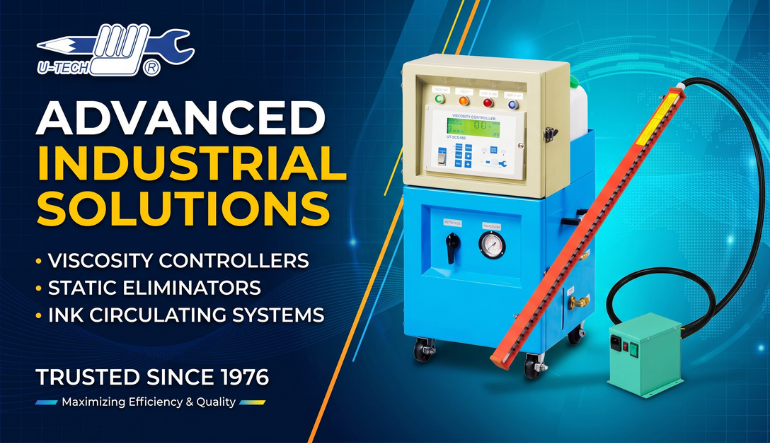
End the "Static" and "Ink Waste" Nightmares on Your Printing & Packaging Lines! U-Tech's Dual Solutions for a Flawless Production.
In high-speed printing and packaging lines, the rapid transport and friction of materials like paper and plastic films often awaken an invisible enemy: static electricity. This can lead to flying ink, misregistration, and dust attraction—or worse, spark severe industrial accidents between printing units. Meanwhile, unstable ink viscosity constantly plagues managers with inconsistent quality and wasted raw materials.
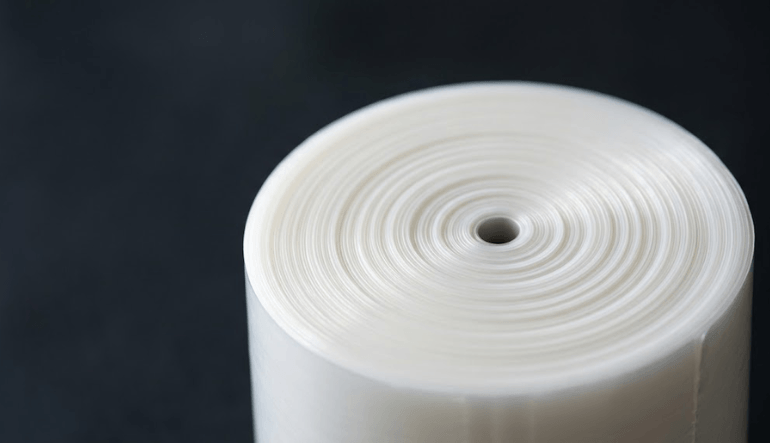
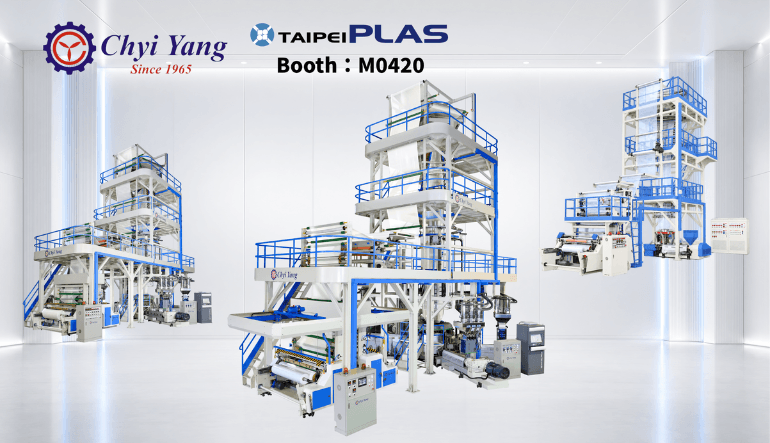
High Output Is Not Enough: What Really Determines Sellable Production in Blown Film?
A blown film line may reach an impressive output during a short trial, but kilograms per hour alone do not determine profitability. For film producers, the more useful question is not simply, "How fast can the line run?" but "How much qualified film can it deliver during a complete shift?"
PLASTAR Automatic Air Ring Helps Control Film Thickness Before It Becomes Waste
In blown film production, thickness variation is often where hidden cost begins. It is not only a number on a quality report. It affects resin consumption, winding quality, printing registration, lamination stability and the customer's confidence in every roll delivered. For producers of food packaging, composite film, printing film and shrink film, unstable cross-direction thickness can quickly turn into wasted material, longer adjustment time and avoidable production cost.