English - EN
 繁體 - ZH-TW
 简体 - ZH-CN
 Español - ES
 日本語 - JA
 العربية - AR
 Русский - RU
 Français - FR

Your Competitor Sells Film Cheaper. Are They Really Making Less Profit?
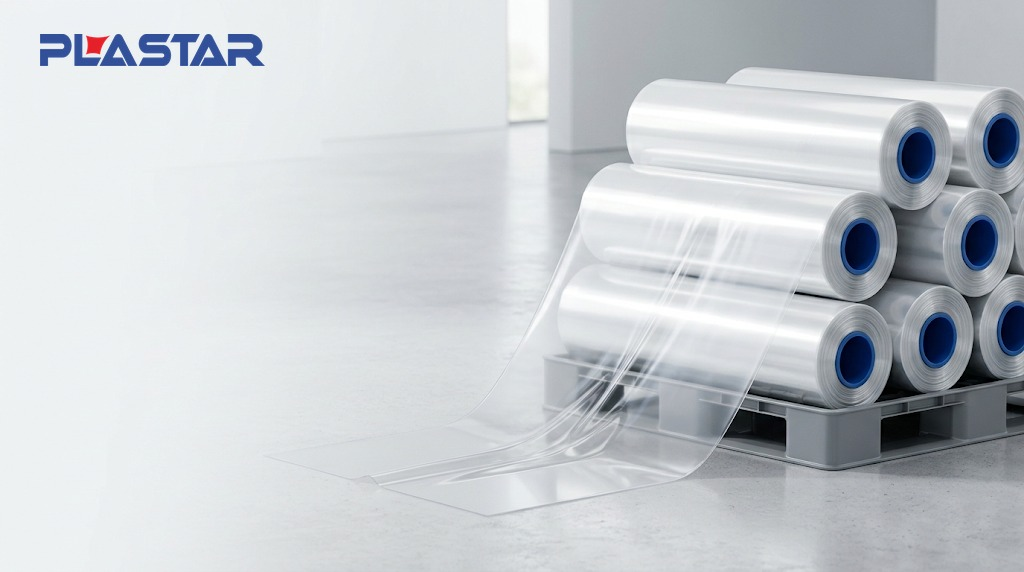
Have you ever had this conversation?
A customer walks in with a competitor's quote and says, "Their price is 10% lower than yours."
You look at the numbers and think — there's no way they're making money at that price.
But what if they are?
Not by cutting corners on quality or squeezing their margins thin. But by simply producing film more efficiently than you can.
The Hidden Advantage Behind Lower Prices
In the PE film industry, price competition is nothing new. But here's what many manufacturers miss: a lower selling price doesn't always mean a lower profit margin.
Imagine two factories making similar film, using similar resin, serving similar markets. One consistently undercuts the other on price — and still makes money.
The difference isn't in the sales strategy. It's in the manufacturing.
Modern blown film equipment can directly impact both output and cost per kilogram. Higher effective capacity, better thin-gauge capability, and lower scrap rates — these aren't just "nice to have" features. They're the reason one factory can offer better prices and still stay profitable.
More Film, Same Hours
A line's output isn't just about the extruder's rated kg/h. It's about how much of that rating you can actually use, day in and day out.
The die head distributes the melt. The air ring and IBC provide the cooling. The haul-off and winding handle the finished film. When these systems are properly matched, you get more stable production at higher speeds.
In practical terms: a well-engineered line can deliver 20-30% more effective output than a basic configuration with the same extruder size. That's like getting 5-6 extra production hours every week — for free.
The real advantage isn't a bigger number on the spec sheet. It's more film produced in the same 24 hours.
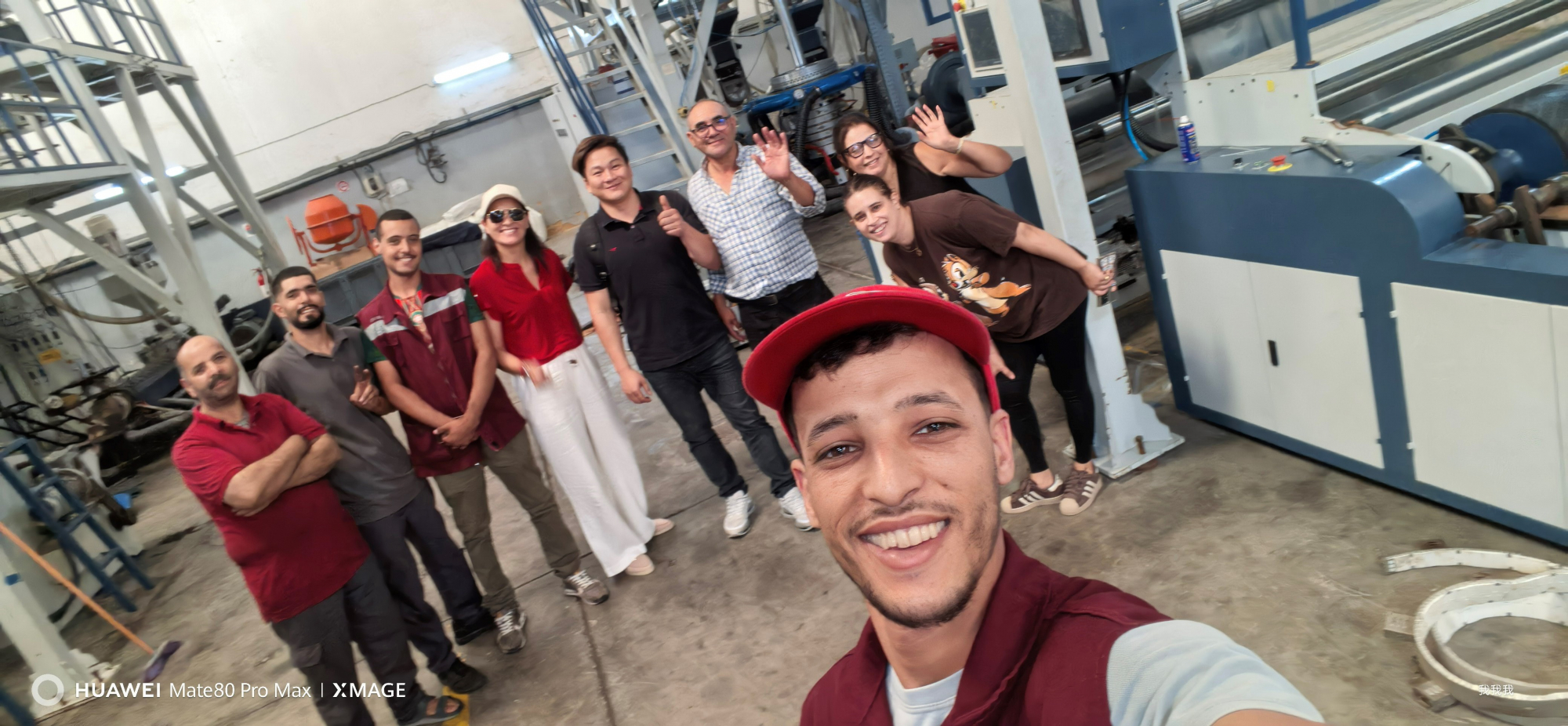
Precision Die Head & Advanced Cooling System
When Film Gets Thinner, Equipment Matters More
Producing thinner film demands tighter control over every part of the process.
Die-lip precision, melt distribution, and temperature consistency all affect film formation. Cooling performance determines whether your bubble stays stable as you push production speed higher.
With a precision die head and properly matched internal and external cooling, manufacturers can run thinner gauges reliably — without sacrificing quality or output.
For packaging film, shopping bag, and garbage bag producers, this is where the money is. Drop the gauge from 30μm to 20μm and you cut material consumption by 33% per square meter. That's not a minor optimization. That's your competitive edge.
It's About the System, Not the Parts
Here's the part that's easy to get wrong: individual components don't make a great line.
A high-output extruder without enough cooling is just an expensive space heater. An advanced IBC system that doesn't match your bubble size is a feature you'll never use. A precision die head paired with the wrong screw design won't deliver what you expect.
The real advantage comes from how these systems are engineered and integrated together.
At PLASTAR, we design lines around your materials, your products, and your production targets — not around checking boxes on a feature list.
Think of It as Building Your Team
Here's another way to look at it: your production floor is like a football team.
You have your solid defenders — the reliable workhorse lines that handle your daily volume, day in and day out. They're the foundation of your business, and they do exactly what you need them to do.
You have your goalkeeper — your R&D capability, always watching the market and making sure you don't get caught off guard by new product requirements or customer demands.
And then you have your strikers — the high-performance lines that push the boundaries. They run faster, handle thinner gauges, and take on the more challenging products that your standard lines can't. They're the ones who score the goals: winning new orders, entering new markets, and keeping you ahead of the competition.
You don't replace your entire team just to get a better striker. You add one because you want to score more goals — while your defenders keep holding the line.
That's how we think about PLASTAR equipment. It's not about replacing what you already have. It's about adding a high-performance striker to your lineup — a line that can handle the products and speeds your current machines can't, so you can take on more ambitious orders without disrupting your core production.
And for manufacturers who want to stay ahead on product development, a PLASTAR line also makes an excellent R&D machine — a place to test new formulations, new gauges, and new product ideas before you roll them out to your main fleet. Think of it as your training ground for the next winning product.
Looking to add a striker to your team?
Whether you need a high-output production line or a flexible R&D machine, we'd be happy to talk through what makes sense for your lineup.
Reply to this email — let's discuss how a PLASTAR line could fit into your team.
PLASTAR — Engineering Better Film Production



SOCIO COOPERATIVO