


 English - EN
  繁體 - ZH-TW
  简体 - ZH-CN
  Español - ES
  日本語 - JA
  العربية - AR
  Русский - RU
  Français - FR
How to Choose the Right POLYSTAR Recycling Machine Based on Your Plastic Waste?
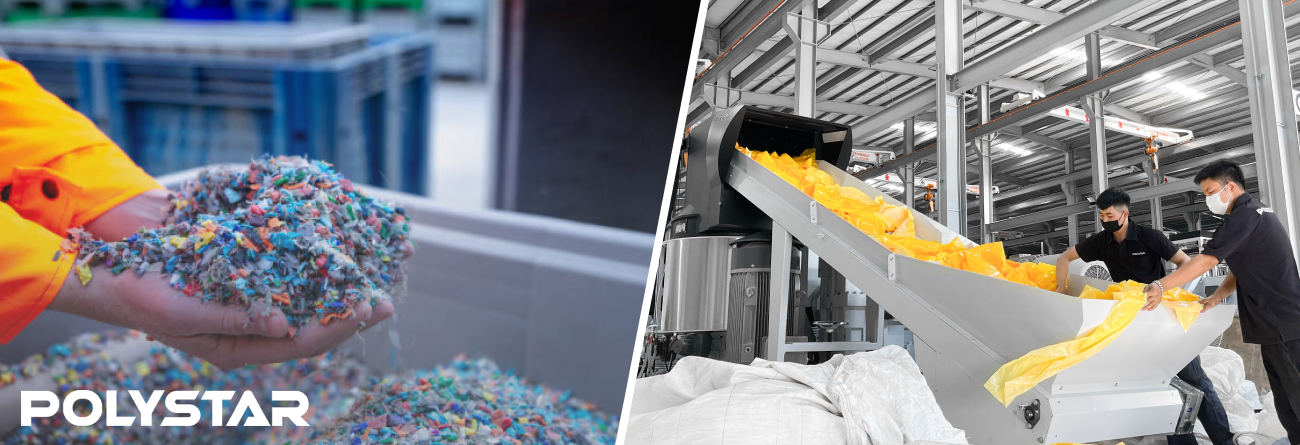
Nowadays, plastic products vary in shape, condition, layer, print level, and formulation. Recycling them might be challenging. Recycling efficiency can be increased when the right plastic recycling line with the right feeding, degassing, filtration, and pelletizing systems is selected based on your materials. Therefore, the first step in choosing a recycling machine must be identifying your plastic waste.
6 Steps to Identify Plastic Waste for Selecting the Right Plastic Pelletizer
When you look for a plastic pelletizer (plastic recycling machine), the key points below can help you identify your plastic waste. You can reply to the six questions below and contact POLYSTAR for suggestions on suitable plastic pelletizers.
1. What is your Waste Plastic Material Polymer Type?
(HDPE, LDPE, LLDPE, PP, CPP, BOPP, ABS, etc.)
The polymer types of plastics give them different properties. For instance, different polymers have different MFI (Melt Flow Index) values and viscosities. This is crucial when determining a pelletizing system with the right die head design and pellet-cutting methods.
While most polymer types are suitable to be pelletizedwith the water-ring cutting method, the strand-type cutting method is suggested for the ones with 30 and higher MFI.
2. What are the Shape and Size of your Plastic Waste?
(Film-on-rolls, film/bag scraps, laminated/metalized film, pre-crushed hard plastic regrinds, uncrushed milk/detergent bottles, etc.)
Different shapes and sizes of the waste materials play an important role in the materials’ stiffness and strength and in how they will be fed to the plastic pelletizer efficiently via the right material feeding system. This information also helps determine the suitable integrated cutting and crushing systems of the recycling machines for the pre-conditioning of the material before the extrusion.
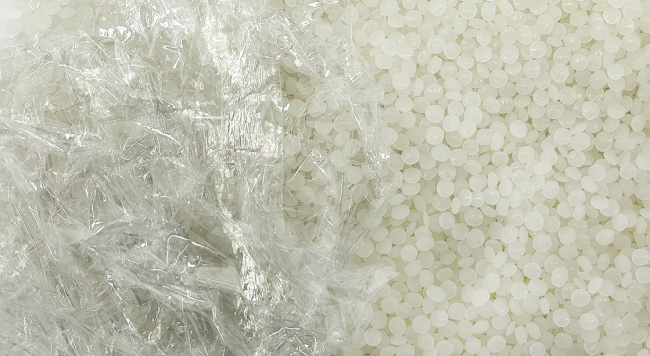
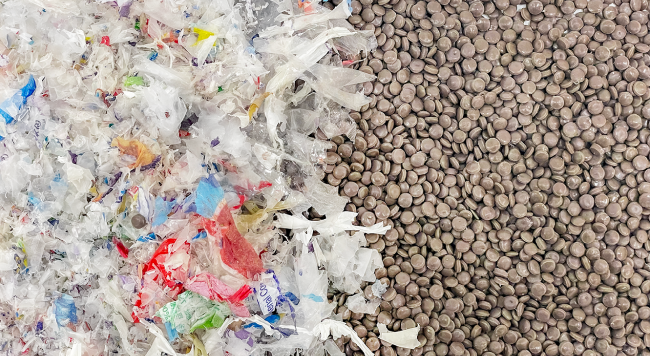
For instance, regrind and flake kind of materials can be directly fed into the extruder; while film and soft raffia kind materials would require an integrated cutter-compactor system; and woven bag, lumps kind of stiff materials would require an integrated shredder system.
|
|
|
| ( PIR clean, uncrushed stretch film waste ) | ( PCR washed and dried film flake waste ) |
3. What are the Sources of the Plastic Waste and its Conditions?
(In-house clean waste, post-consumer dirty waste but washed and dried, dirty unwashed waste, etc.)
Whether it’s post-industrial or post-consumer waste, it should be clean and dry at an acceptable level before feeding into recycling pelletizers. It is crucial to recycling operation efficiency and final recycled pellet quality.
The material source and condition information helps determine whether a washing line and dryer should be used beforehand, as well as determine the efficient degassing and filtration systems on the plastic pelletizers
4. What is the percentage of printed surface of the plastic waste?
(e.g., less than 10%, around 30%, around 50%, fully printed, etc.)
The ink percentage in the waste plastic is one of the major reasons for the gas revealed in the recycling extruder when the plastic is melted. This information leads to determining the suitable degassing system and whether the POLYSTAR filter repositioned design should be applied.
POLYSTAR provides different degassing options as single, double, and triple degassing systems, as well the filter repositioned design respectively to the print/ink amount of the material.
|
|
|
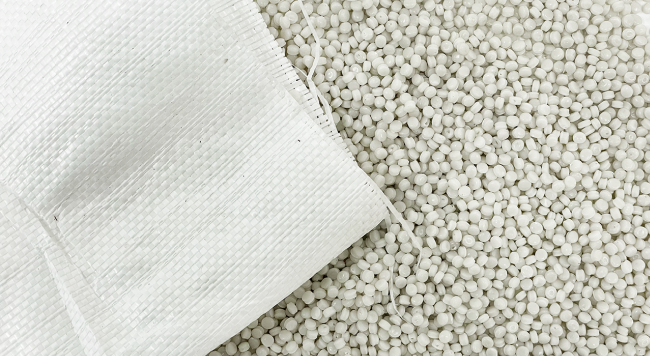
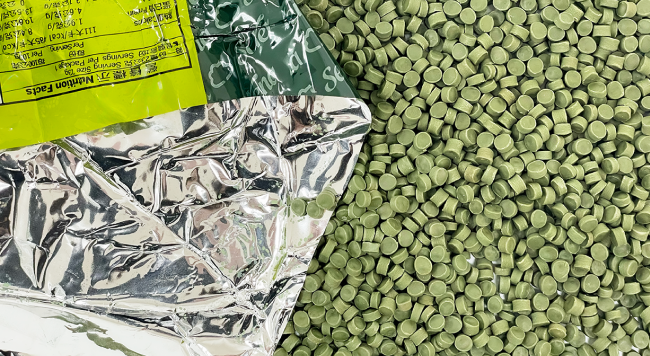
| ( Non-printed PP Woven Bag Waste ) | ( Heavily Printed CPP Metalized Film Waste ) |
5. What is the desired pellet output interval per hour?
(80-120 kg/hr, 100-200 kg/hr, 400-600 kg/hr, 800-1000 kg/hr, etc.)
Each type of POLYSTAR recycling machine model has several different sizes to meet varied customer output requirements. Determine the hourly pellet output requirements based on the amount of your waste materials, and then we suggest a suitable-size plastic pelletizer.
At this stage, it is strongly suggested to consider the potential expansion of your business where you would have more waste and require higher output. Investing in a slightly higher-capacity machine would be more economical instead of investing in a second machine just a few years later.
6. Provide a few photos of the plastic waste
Providing photos and/or videos will be useful for a better understanding of your waste material and further evaluation to suggest a suitable recycling pelletizer.
If You Have More Than One Type of Material
POLYSTAR plastic pelletizers are designed flexibly to process different types and shapes of materials in the same machine, such as plastic film or bags, rigid regrinds, and raffia. In most cases, choosing the recycling pelletizer based on your main material and preconditioning the other materials if necessary (to increase the feeding capacity into the pelletizer) is the more efficient and economical method. If you have several main materials, the solution can be to invest in two or more relatively smaller recycling machines instead of investing in a big one.
Upgrading Your Plastic Recycling Machine for Higher Performance
POLYSTAR provides various optional devices (see the full list) to carry your plastic recycling operations to the next step. You can also choose among several flexible machine layouts according to your factory space.
Conclusion
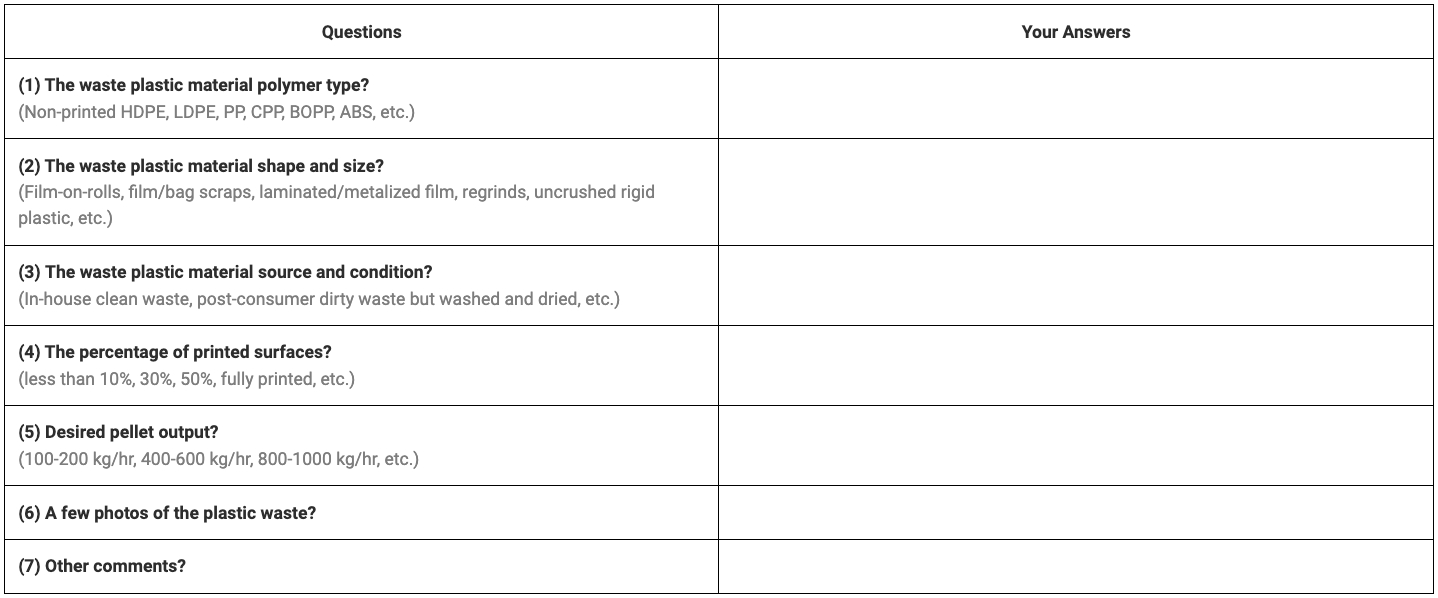
After reading this article, you are probably now clear on why the material types and their conditions are crucial for selecting an efficient and profitable recycling machine. As a next step, please contact our specialized sales team with the answers to the questionnaire below.
Read More
-
Which details should you pay attention to when choosing a recycling machine? – Blog
-
Frequently Asked Questions About Plastic Recycling Machines – Blog
-
Technical Support and After-Sales Service for POLYSTAR Machines – Blog

SOCIO COOPERATIVO