

 English - EN
  繁體 - ZH-TW
  简体 - ZH-CN
  Español - ES
  日本語 - JA
  العربية - AR
  Русский - RU
  Français - FR
Global Green Law Gridlock: Navigating US EPR Legal Battles and the EU's Impending Plastic Export Ban
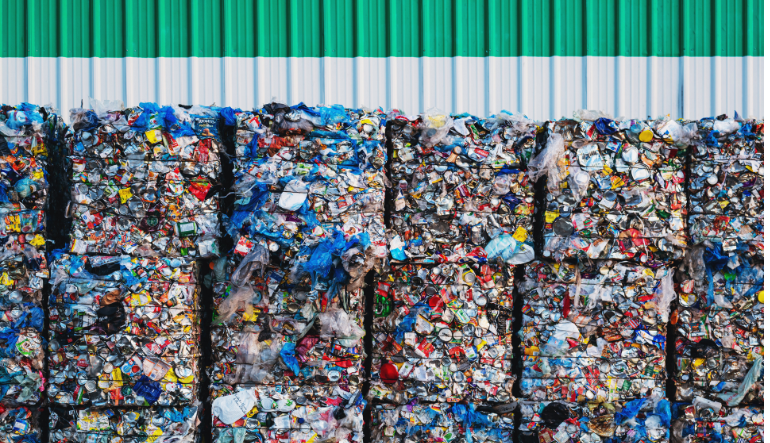
Two regulatory fights are changing where the world's plastic waste ends up. In the US, Oregon's packaging EPR law is headed to an appeals court. In the EU, a ban on plastic waste exports to non-OECD countries takes effect on November 21, 2026, less than 50 days from now.
On both sides of the Atlantic, the result points the same way: more plastic will have to be processed close to where it's collected.
Oregon's EPR Law Goes to Appeal
In late September 2026, the National Association of Wholesaler-Distributors (NAW) appealed a US district court ruling that upheld Oregon's Plastic Pollution and Recycling Modernization Act, the state's EPR law.
NAW argues the law puts an unconstitutional burden on multistate wholesalers, who have little control over how products are packaged. It is also challenging the authority given to the Circular Action Alliance (CAA), the private organization that sets and collects producer fees, on the grounds that it violates the Due Process Clause.
Similar challenges are underway in California and Colorado. Until they're resolved, packaging producers and distributors are left guessing what compliance will cost them from one state to the next.
The EU Export Ban Starts November 21
The EU's change goes further: it redraws where plastic waste can be shipped at all. According to autumn updates from the Rethink Plastic Alliance and the European Commission, the new Waste Shipment Regulation (WSR) is about to close one of the biggest export routes.
From November 21, 2026, the WSR bans EU exports of plastic waste to non-OECD countries. The Commission has also published a draft list of countries that may import non-hazardous EU waste after May 2027, provided they can prove they manage it sustainably.
Exports to the OECD countries that remain open are also getting closer scrutiny, especially Türkiye, which took in over 510,000 tonnes of EU plastic waste in 2025.
For decades, exports were how the EU handled plastic it couldn't process at home. With non-OECD destinations closed, that plastic either stays in Europe or goes to OECD countries under tighter rules.
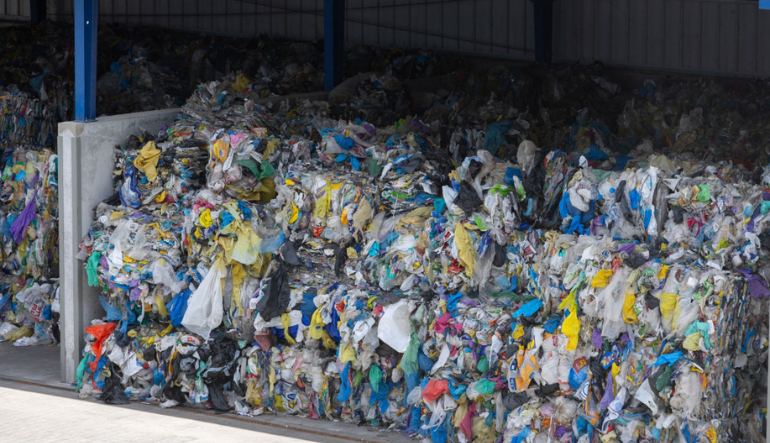
Global plastic recycling faces major regulatory shifts. ImagesL Mateusz Leszczynski/Getty Images
Where the Plastic Goes Now
With exports restricted and EPR laws raising recovery targets at home, more of the processing has to happen locally. Regions that used to export their plastic waste now need their own capacity to sort, wash, shred, and pelletize post-consumer resin (PCR).
For plant managers, procurement directors, and investors, that means buying machinery that can keep domestic recycling profitable under the new rules.
PRM-Taiwan.com currently lists 74 manufacturers in its recycling category. They build recycling machinery that's highly automated, reliable, and priced for a fast payback. Their range runs from optical sorters that handle heavily contaminated municipal waste to high-torque extrusion pelletizers built for inconsistent PCR feedstock. That's the equipment that keeps overall equipment effectiveness (OEE) high enough for domestic recycling to make money under the new rules.
If your plant has to meet EU WSR or US EPR requirements, upgrade the line before the rules bite, not after the court cases are settled.
Find recycling machinery suppliers on PRM-Taiwan.com and send your inquiry directly to the ones that fit your line.
Source
- Eco-plastics in packaging: National Association of Wholesaler-Distributors appeals Oregon plastics EPR ruling
- European Commission: Commission publishes draft list of countries authorised to import EU waste and an assessment of plastic waste exports to Türkiye
- Packaging Insights: EU drafts waste export list as Tomra urges recycling investment



SOCIO COOPERATIVO